
Travel training: the road to getting around independently
Independence ✦ 4 min read
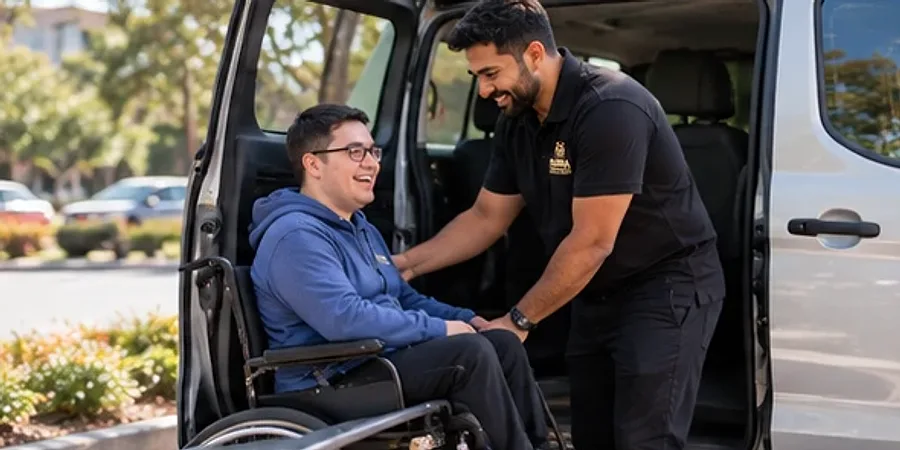
Transport support is often seen as just a lift from A to B. Done well, it is much more: a structured pathway toward travelling independently — one of the most freeing skills a person can build.
Travel training starts with planning, not travelling. Together we map a familiar route, learn the timetable, work out the fare, and rehearse what to do if something changes — a late bus, a missed stop, a flat phone battery.
Then come accompanied trips. Your support worker travels with you, at first guiding, then observing, then simply nearby. Each trip transfers a little more of the journey to you, at a pace you set.
Independence arrives gradually and safely: perhaps the worker meets you at the destination, then only checks in by phone, then not at all. The route is yours.
Not everyone's goal is solo travel, and that's fine — reliable, supported transport to the places that matter is a worthy end in itself. But if independence is your goal, tell us: it changes how we design every trip from day one.
— The Mawa Care Services team
This article is general information, not advice about your individual plan. Examples are illustrative.
More from the journal

NDIS Explained ✦ 5 min read
Plan-managed, self-managed or NDIA-managed: what's the difference?
How your plan is managed decides which providers you can use and how much admin sits with you. Here's the plain-English version.

NDIS Explained ✦ 6 min read
How to prepare for your NDIS plan review (and get it right)
A plan review shapes your next year of support. A little preparation makes a big difference to the outcome.

Daily Living ✦ 4 min read
What does a disability support worker actually do?
Much more than 'helping around the house'. A look at what good support work really involves, hour by hour.
Ready to talk about support?
Tell us a little about your goals and we'll be in touch to talk through next steps.